
The month of June used to mark the start of school in the Philippines. It is also the beginning of the wet season, long months of heavy rain quenching the parched land from the previous scorching tropical summer and ushering life back to the dried wells and waterways. As we enter the classrooms, we are welcomed by portraits of national heroes and a striking reproduction of a painting depicting a group of people carrying a nipa hut to move to a new location, a Filipino tradition called Bayanihan. Bayanihan predates the Spanish period of colonisation and is derived from the word bayan, meaning town, nation,
or community. It is often referred to as the spirit of communal unity and cooperation that connotes selfless kindness, helping, and compassion without expecting a reward (Ealdama, 2012; Lim, Soriano & Lim, 2016). While carrying houses is not so common today, Filipinos have been observed to exhibit Bayanihan during disasters or crises to help those in need (ADB, 2020; Eadie & Su, 2018; Ealdama, 2012; Duque, 2016). The Philippines is an archipelago prone to natural calamities.2 Filipinos have also invoked this spirit to mobilise people through forming community organisations or challenging institutions, particularly its obligation to respect people’s fundamental human rights.
As I reflect on this Filipino tradition, I find myself paralysed by the realisation of how I have taken this part of my culture for granted. Moving to different countries, the aim was to assimilate; to not stand out and swim in the sameness—an act of risk management to avoid paying a hefty price of exclusion for being too different. However, when we disregard our personal backgrounds and cultural dimensions, we become complicit in foregrounding a single, prevailing story, creating an incomplete view of an individual’s lived experience where critical assumptions, misunderstandings, and stereotyping can persist (Adichie, 2009). As a designer, I have seen how this complicity risks overriding a designer’s identity with dominant ones, consequently positioning and normalising them in communities, eroding heterogeneity (Duan, Vink & Clatworthy, 2021). This erosion of heterogeneity includes the impact on the products and services we design. To create a cogent agenda for pluralism and inclusion, we must recognise the fundamental rights and dignity of individuals and their self-determination, embrace both the dissonance and harmony in the many worlds we work and live in, and critically reflect on our positionality to shift these orientations towards recognising other world views and designing for inclusion.
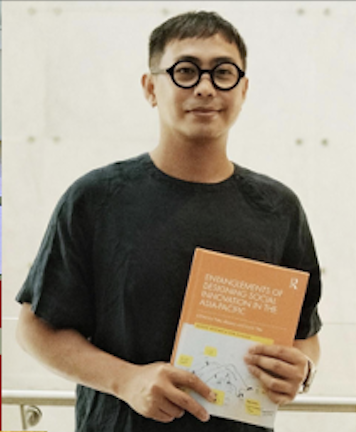
Kristopher Santos’ chapter, Examining design orientations through Indigenous Filipino strengths’ perspective was awarded the Design History Writing Prize 2024 with the Guest Judge, Professor Anne Massey that remarked: “I found it to be sensitively written from a unique perspective. The writing was clear and evocative, scholarly and engaging. It was situated within a broad, contextual framework which was critically investigated. It makes a sterling contribution to the discourses around decolonisation and was well referenced. The combination of personal experience with rigorous academic debate is a difficult one to pull off, and the piece of writing certainly succeeded in doing so”